When confronted with breaking news, would you choose to forward it immediately, or pause and reflect?
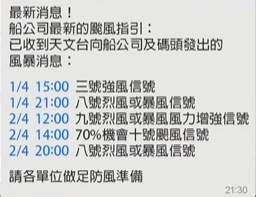
(This image is only available in Chinese.)
Consider this: when a friend shares an online breaking story with you, would you believe it straight away? Many might approach it with scepticism. But if three friends all share the same story with you, would you then believe it?
We receive vast and diverse amounts of information daily in the online world. Upon encountering shocking news, many instinctively forward it to share with others. Yet online information varies in authenticity, and receiving and transmitting it is remarkably easy. Even widespread discussion of an event does not guarantee its veracity. Before trusting online information, we must pause and verify the facts.
Real Life Examples

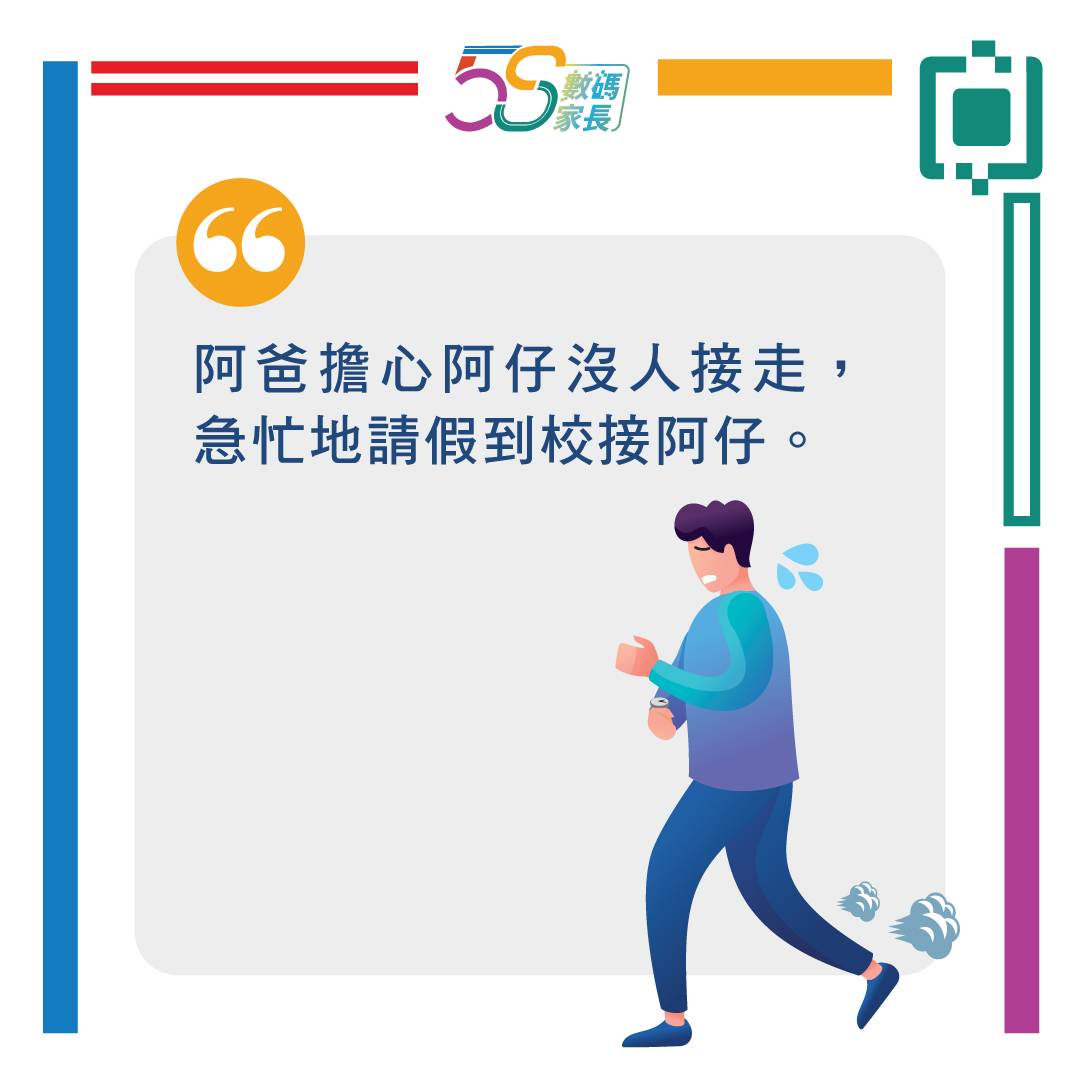
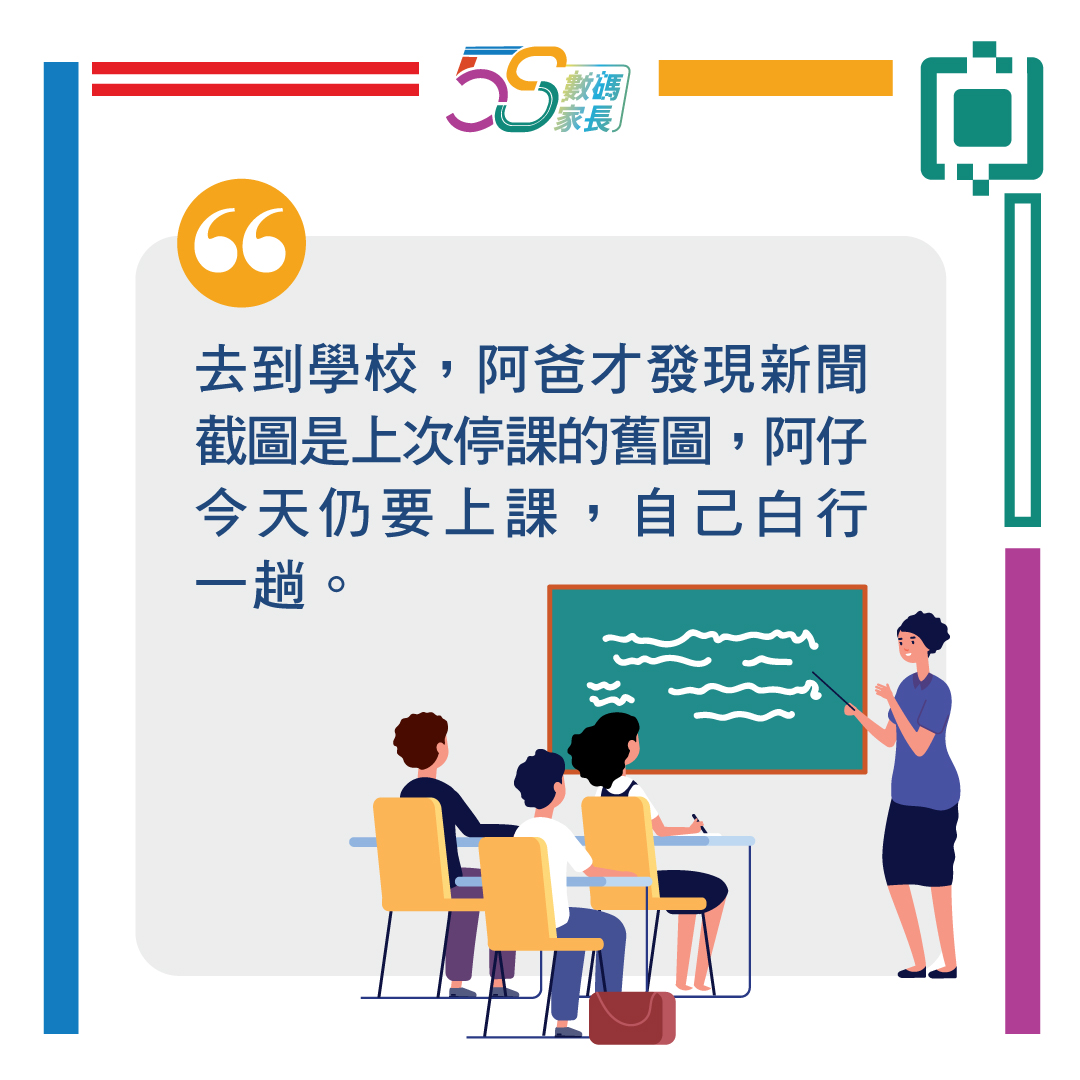
(This image is only available in Chinese.)
(This image is only available in Chinese.)
(This image is only available in Chinese.)
Article Content
- Types of False Information
- Content Farms that ‘Stunned 1.3 Billion People’
- What is Information Literacy?
- Simple Tips and Tricks
1. Types of False Information
According to the Fact-Checking Centre at Hong Kong Baptist University, false information can be categorized into three types: ‘Disinformation’, “Misinformation”, and ‘Fake news’.
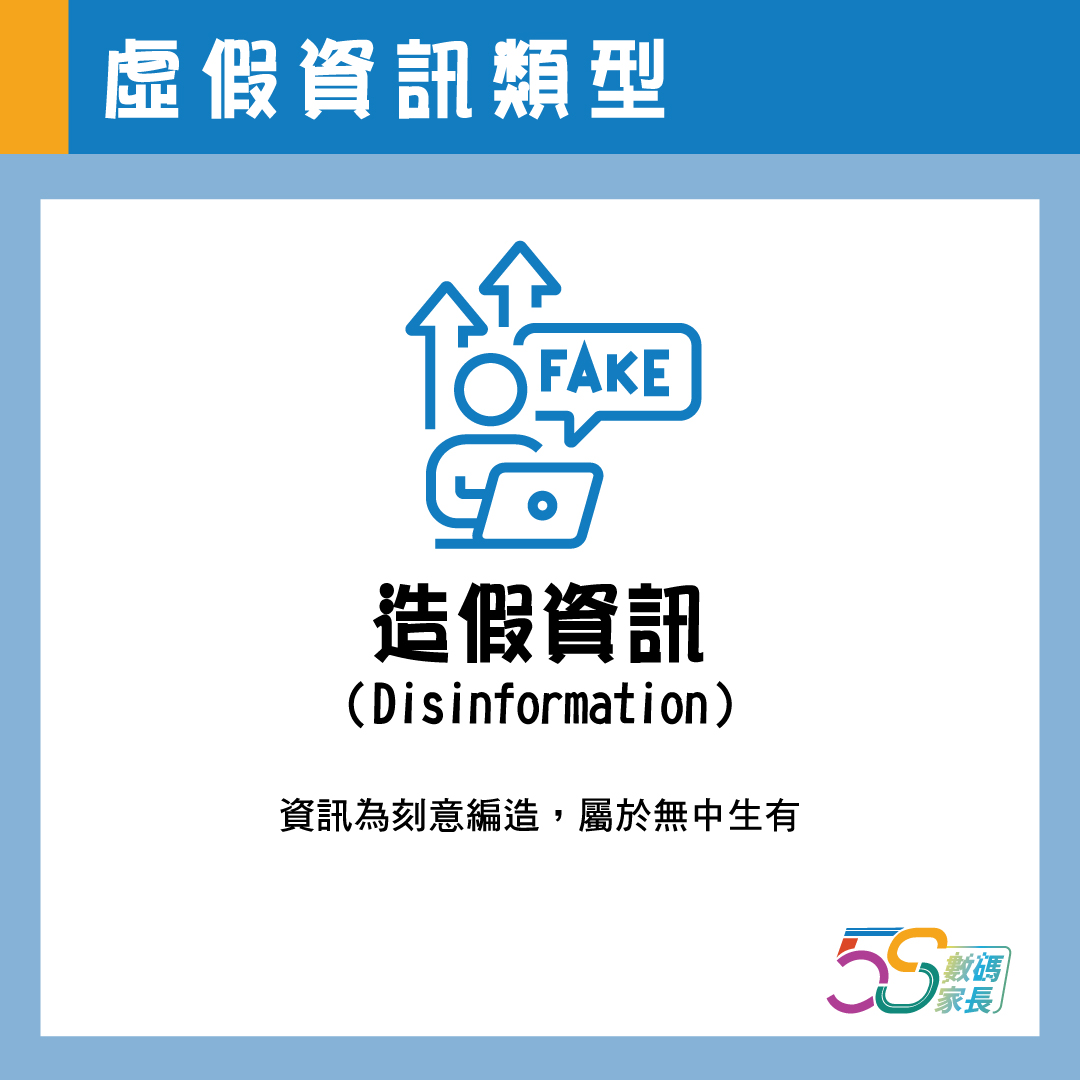
(This image is only available in Chinese.)
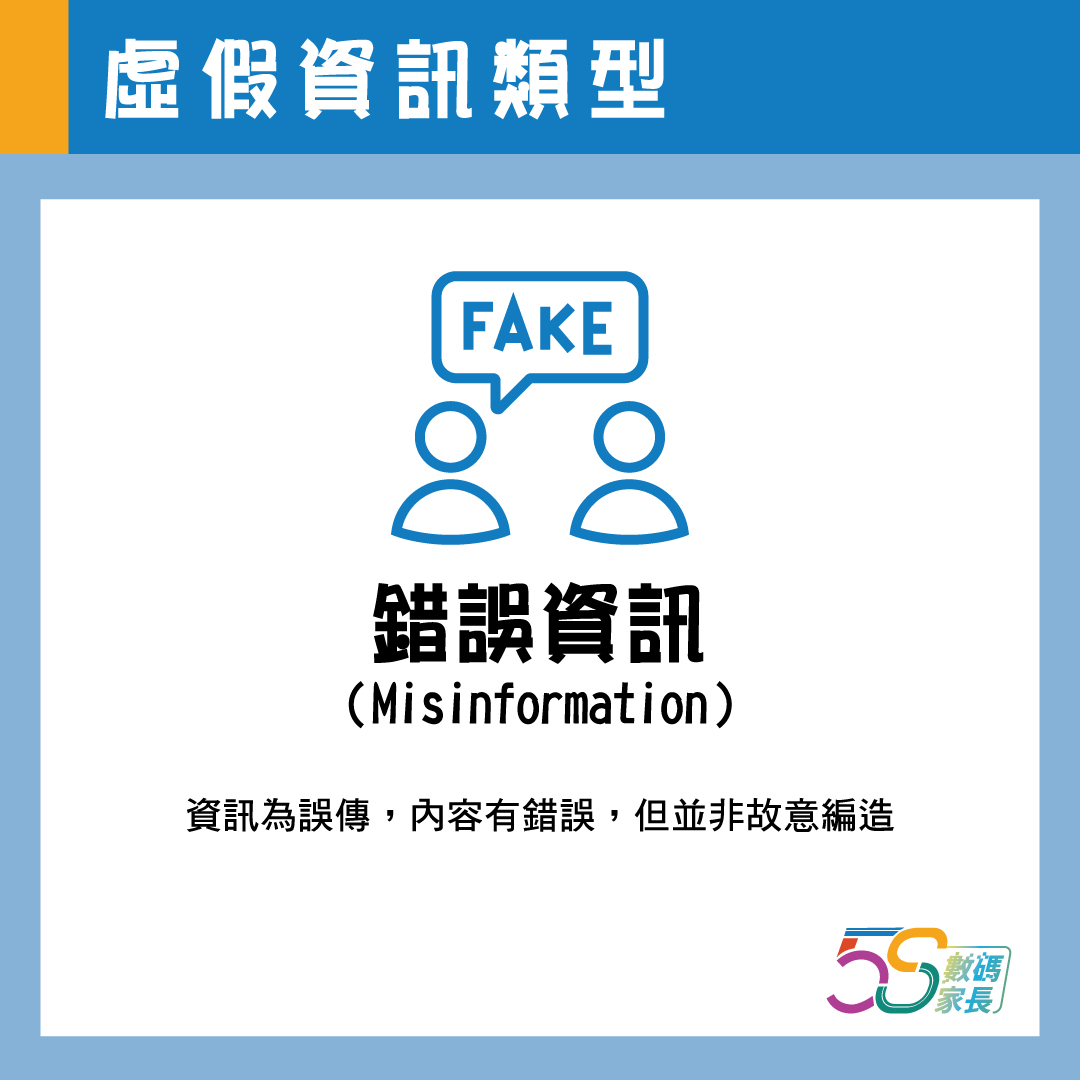
(This image is only available in Chinese.)
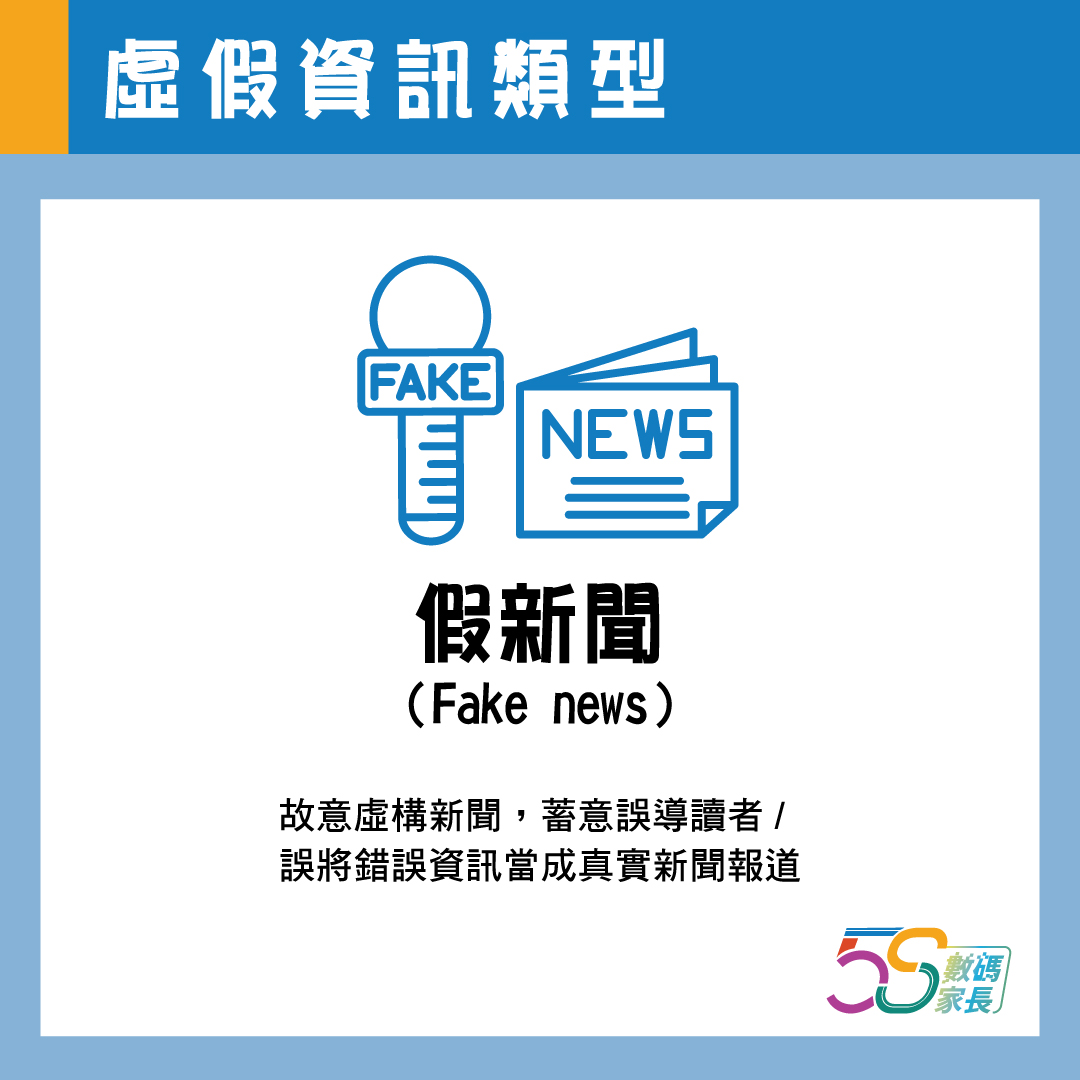
(This image is only available in Chinese.)

(This image is only available in Chinese.)
Test Your Knowledge: Which type of false information does the example above fall under?
Parents may view the following content to learn more about examples of false information - Lecture Notes on ‘Discerning the Truth of Information in New Media Parenting Education’ (in Chinese only)
2. Content Farms that ‘Stunned 1.3 Billion People’
‘1.3 billion people were stunned,’ ‘The truth behind XXX is actually...’. Have you come across articles bearing such headlines? These pieces often originate from content farms.
Content farms refer to websites that plagiarise information or fabricate false content, producing vast quantities of low-quality articles without any original material. These farms lack professional investigative journalists, relying instead on dedicated web editors or cobbled-together articles using bots and online translation tools. Their pieces frequently feature sensationalist headlines or exploit socially relevant topics to lure clicks. By flooding the internet with content, they generate page views and advertising revenue to advance specific ideological agendas. While content farm articles may capture readers' interest, their factual accuracy is essentially non-existent. Therefore, upon recognising information as originating from a content farm, readers must adopt a sceptical stance, independently verify facts, and ideally avoid visiting such websites altogether.
References:Professor Guan Zhongxiang, Department of Communication, Chung Cheng University (in Chinese only)、Sing Tao Education (in Chinese only)
3. What is Information Literacy?
An increasing number of schools recognise information literacy as one of the essential skills for the 21st century, beginning to equip children to navigate the rapidly changing information landscape. A key aspect of developing information literacy involves learning how to gather accurate information and discern its authenticity.
Both parents and children should master information literacy to navigate learning, work, and life. Simply put, information literacy enhances our problem-solving approaches and critical thinking skills. It cultivates a sceptical attitude towards information, prompting us to seek answers, gather evidence, form opinions, analyse sources, and only then make decisions. Thus, information-literate children become not only successful learners but also socially responsible and contributing citizens.
Information literacy is not acquired overnight. Parents can learn step by step through the ‘5S: Search and Select Information’ column (as part of the 5S Digital Parenting Ambassador Programme)
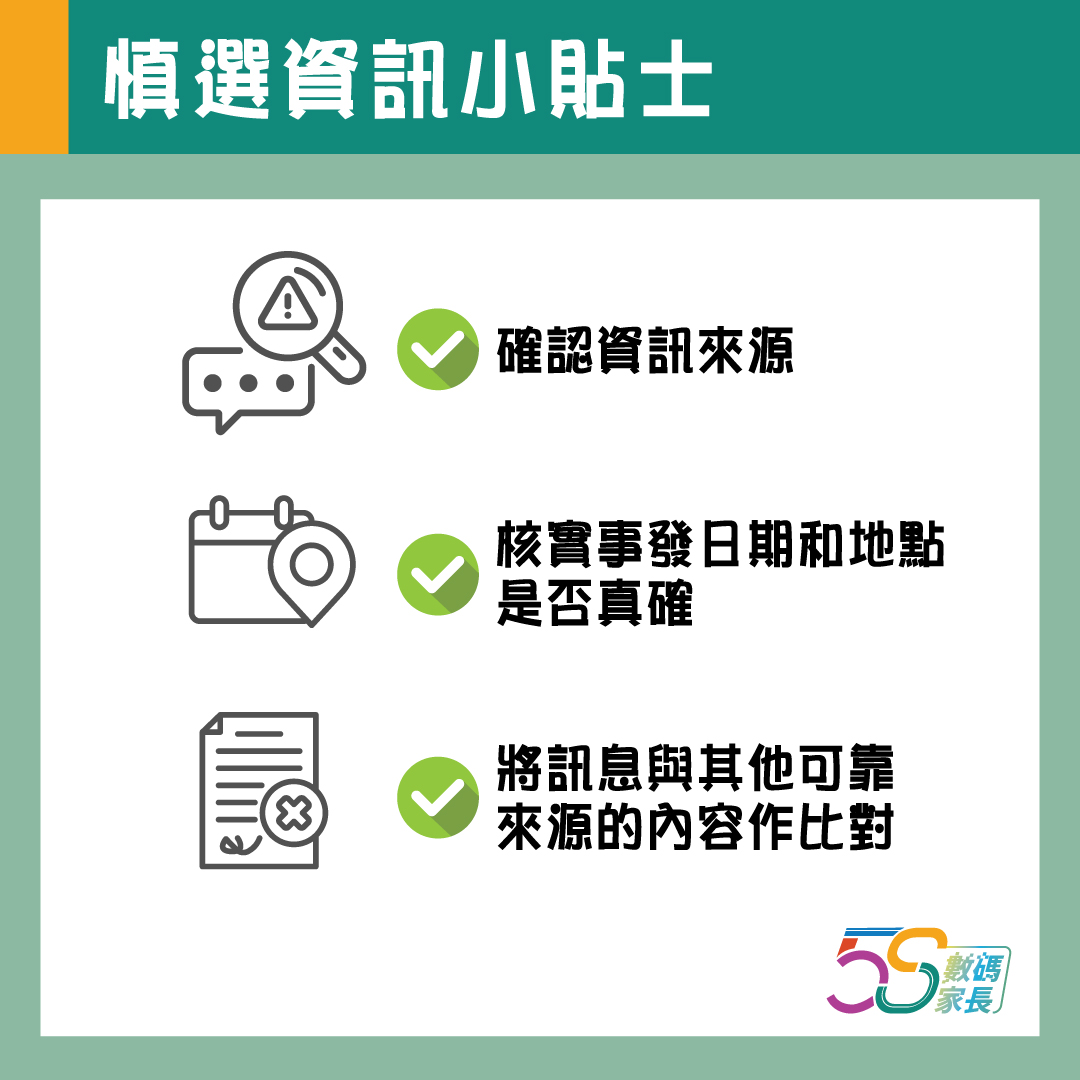
4. Simple Tips & Tricks
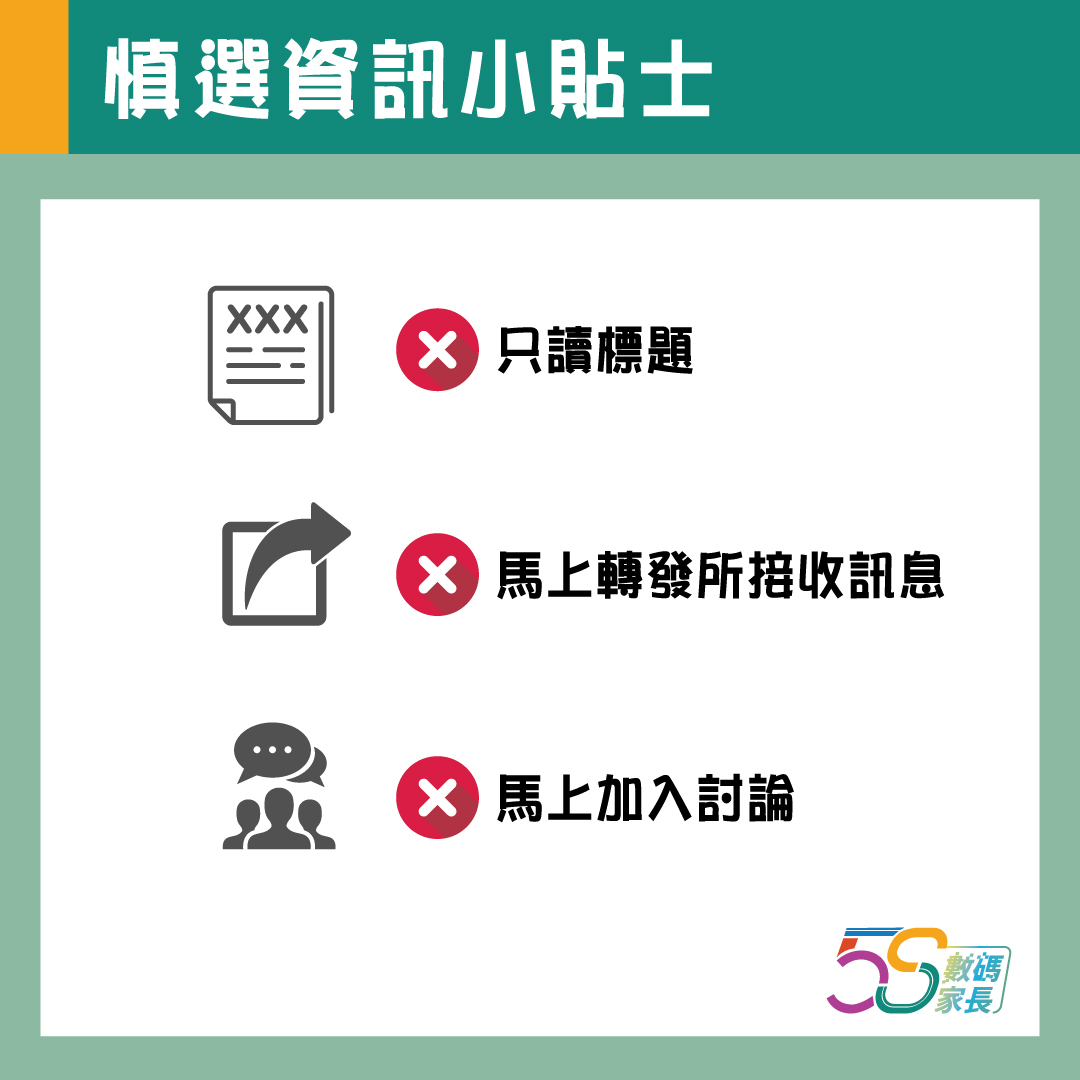
(This image is only available in Chinese.)
(This image is only available in Chinese.)