
Many parents have probably heard of the term “decluttering.” In fact, this concept can be traced back to 1925, when American housekeepers reflected on issues such as excessive consumption and limited living space, which sparked discussions about how to choose what to keep in daily life.
The Origin of “Decluttering”
The term “decluttering” comes from the yoga philosophy “斷行・捨行・離行” proposed in 1976 by Masahiro Oki, founder of Oki Yoga. His disciple, Hideko Yamashita, later applied this concept to home organization and popularized it around the world. Its core spirit includes: “cutting off things you do not need,” “discarding unnecessary items,” and “detaching from attachment to material possessions.” By clearing physical items, one also organizes one’s life, helping the mind and body return to a lighter and more comfortable state. According to available information, the concept also draws from Buddhist teachings: “生慾念不除斷捨離,生恚念、害念不除斷捨離。”
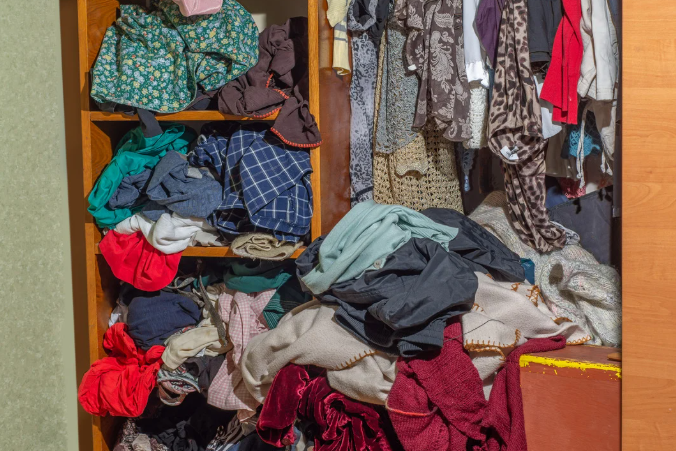
Where Should You Begin?
When facing household clutter, many people simply “stuff things to the left and right” or “hide things out of sight.” But is that really the best way? Where should parents actually start?
According to professional organizers, tidying should begin with small areas, such as the wallet or the entryway. Avoid being overly ambitious—thinking you can complete a full deep-clean in one day. In reality, focusing on organizing one small area at a time makes it easier to feel a sense of accomplishment and gradually turn tidying into a habit. For example, you may start with the kitchen and categorize items into three groups:
1. Keep
2. Discard
3. Think about it
Expired food should, of course, be thrown away immediately. Food you dislike or do not eat can be given to friends or donated to food banks or charities. If an item is still usable, consider recycling or donating it before disposing of it. Organizers also remind us to make good use of storage tools—such as plastic bins, magazine holders, or even bookends—to help with categorization and zoning. In addition, always return items to their proper places; for example, bathroom supplies should not be stored in the kitchen. For items you’re unsure about, evaluate their meaning and set a deadline for making a final decision.
Always remember: the benefits of organizing your home include not only saving time on tidying, but also reducing the time spent searching for items. A clean and refreshing space makes living more comfortable, improves family relationships, and strengthens connections among family members. Tidying physical spaces is also a way of tidying your thoughts. We must give ourselves the motivation to organize while minimizing the excuses and resistance that stop us. Even with just 15 minutes a week, you can cultivate a habit of regular organizing.
Why Do Some People Struggle With Organization?
1. Too many possessions, making it hard to know where to start
2. Lack of a system—simply packing things away without true organization
3. Forgetting where items are stored after putting them away
4. A tendency to hoard
By understanding these common obstacles, we can address them one by one and make improvements.
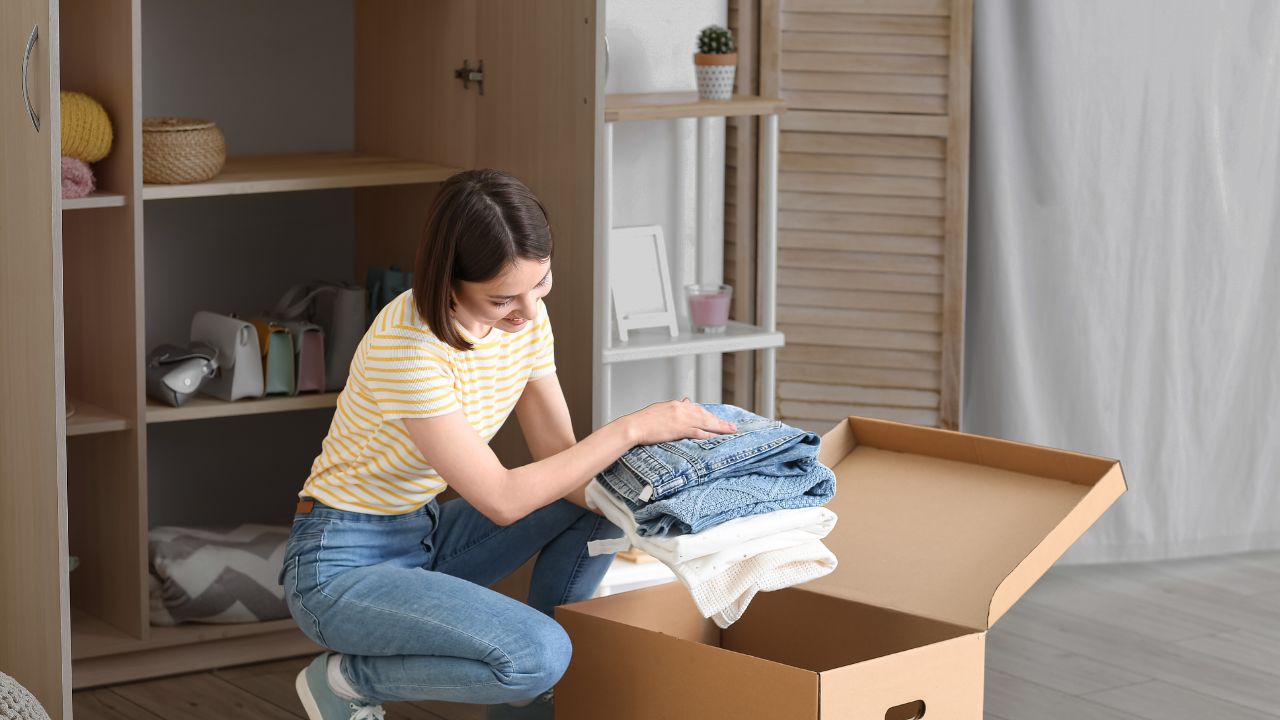
Storage Tips
Home organization can begin with “subtraction” (discarding) — clearing out unnecessary clutter. The second step is to think about how to make items easy to put back, ensuring everything is returned to the same spot each time — achieving “fixed placement.” The third step is “addition”: exploring areas where adding shelves, drawers, movable baskets, or multifunctional furniture can increase storage space. The fourth is folding techniques, such as the “vertical folding method.” The fifth is using transparent storage boxes. The sixth is practicing the “one in, one out” principle.
I hope the above storage tips help you feel more confident and at ease during your next major cleaning. Wishing everyone progress every day in the Year of the Horse — by doing a little better each day, anyone can become a “home-organizing expert.”