
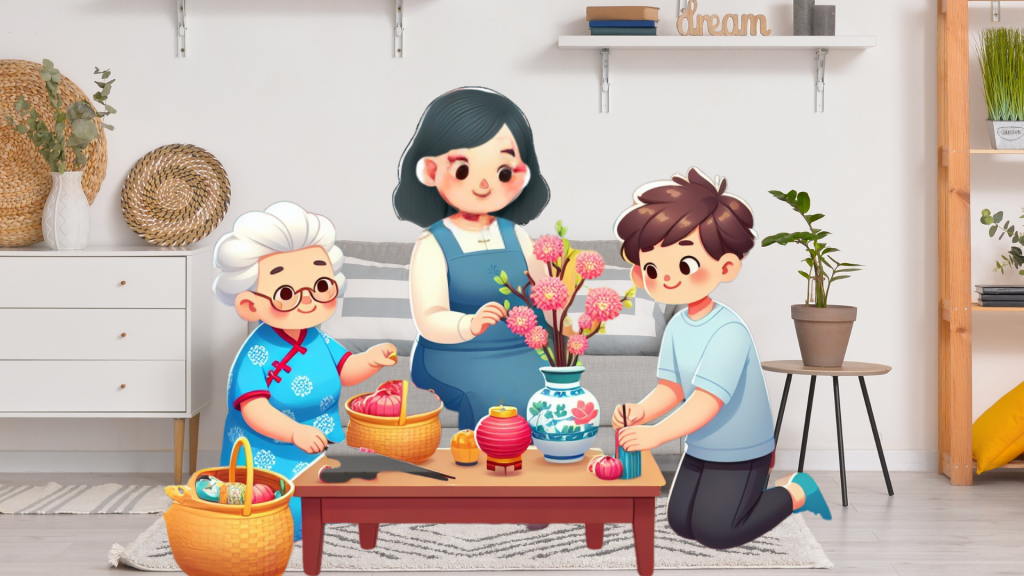
As the Spring Festival approached, Grandma, Mum and Xiao Yuan sat in the living room preparing to decorate the home and enhance the festive atmosphere. Xiao Yuan asked curiously, ‘Grandma, why do we celebrate the Spring Festival?’
Grandma smiled and explained, "The Spring Festival is China's most significant traditional festival, originating from ancient agricultural societies. People celebrate the year's harvest at this time and pray for good fortune in the coming year. Legend tells of a monster called “Nian” that would emerge on New Year's Eve to harm people. Later, people discovered that “Nian” feared the colour red, the glow of fire, and loud noises. So, on New Year's Eve, every household would paste red couplets, light firecrackers, and drive away “Nian”."
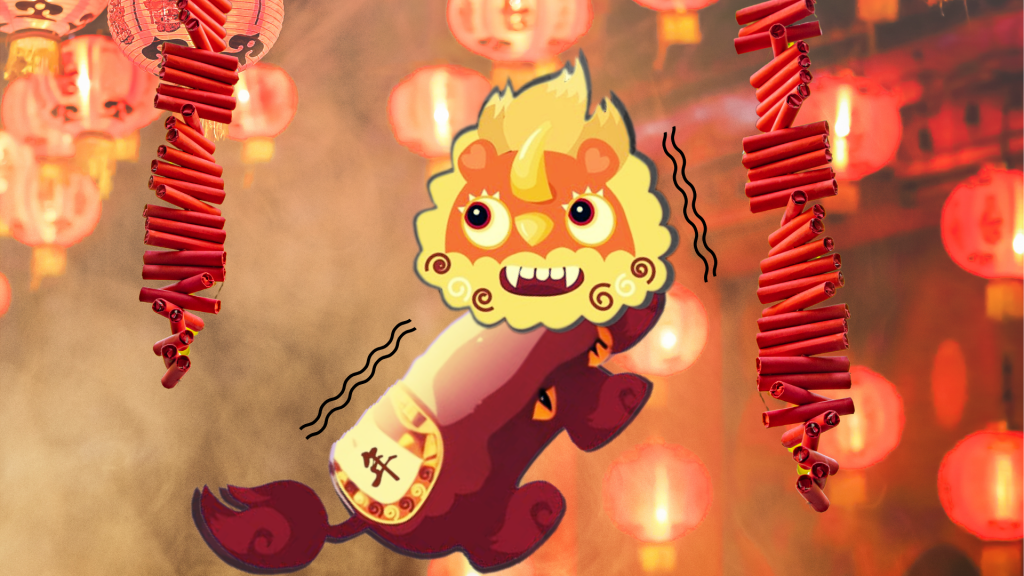
Mum added, "That's right. There are many customs during the Spring Festival, such as pasting Spring Festival couplets, hanging lanterns, setting off firecrackers, and having the New Year's Eve dinner. These traditions aren't just about warding off evil spirits; they're also about reunion and harmony. During the Spring Festival, family members who live far away rush home from all corners to share the New Year's Eve dinner together, symbolising family reunion and happiness."
Xiao Yuan listened with rapt attention and then asked, ‘So how do we celebrate the Spring Festival?’
Mum explained, ‘We begin preparations on the twenty-third day of the twelfth lunar month, known as “Little New Year”. On this day, we worship the Kitchen God, hoping he will speak favourably of us before the Jade Emperor. Then we clean the house thoroughly – what's commonly called the “grand sweep” – meaning we sweep away all the misfortune and bad luck from the past year. Next, we paste Spring Festival couplets, hang lanterns, and prepare the New Year's Eve dinner.’
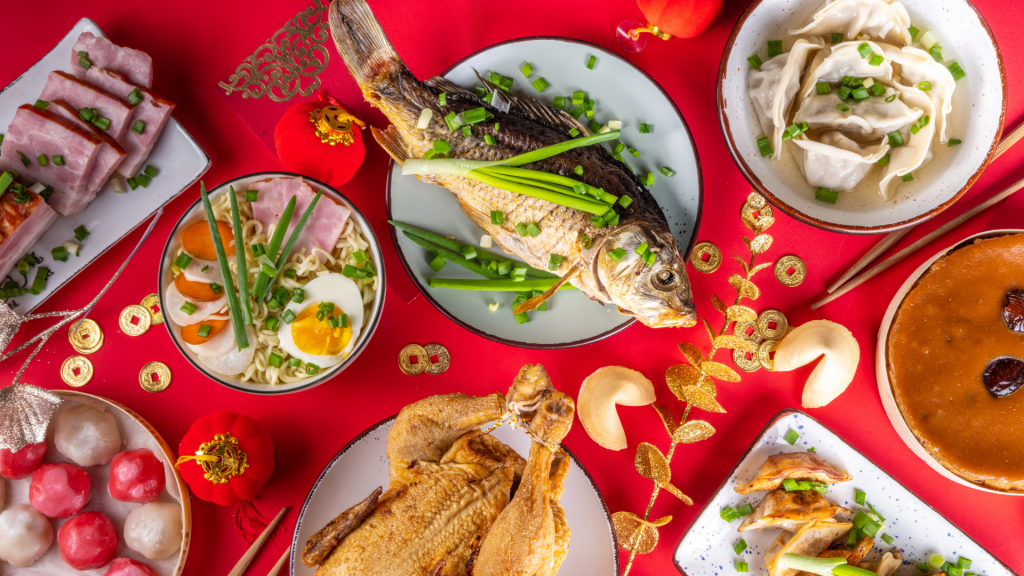
Grandma added, ‘The New Year's Eve dinner is the highlight of the festival. We prepare a lavish spread symbolising abundance and happiness for the coming year. Take fish, for instance—its name sounds like “surplus” in Chinese, signifying plenty year after year. Then there are dumplings, shaped like ingots to represent wealth.’
Xiao Yuan exclaimed excitedly, ‘So there are so many traditions for the Spring Festival! I must help properly to make sure our family has the most wonderful Spring Festival!’
Mum and Grandma exchanged smiles, filling the home with warmth. The Spring Festival is not merely a holiday; it is the transmission and continuation of traditional Chinese culture. Through these customs, we not only feel the warmth of family but also appreciate the profound depth of Chinese culture.