

Dear Parents, if tomorrow is the day your child attends their S.1 Discretionary Places (DP) interview, are you feeling anxious and unable to sleep? Regarding interview preparation, there is already a wealth of information available for reference. We at EdCity trust you made thorough preparations before registering your child. As February approaches and the interview date draws nearer, are there any further preparations required?
For the child, most aspects – past academic achievements, records of extracurricular activities, accomplishments in various competitions, and the content and techniques for the interview – are largely set in stone. The scope for improvement is relatively limited, and the groundwork for the interview is largely complete. At this stage, it is equally important for parents to adjust their mindset and avoid placing unnecessary pressure on their children.
Helping Your Child Destress
It is perfectly natural for children facing secondary school entrance interviews to feel nervous and anxious. As parents, we should endeavour to help our children alleviate this pressure, enabling them to present themselves with ease and demonstrate their abilities. Below are some methods to assist children in tackling secondary school entrance interviews with confidence.

First and foremost, when children are facing secondary school admission interviews, it is most important for them to remain relaxed and positive. As parents, we can offer our children encouragement and positive psychological support. Through affirming and supportive words, we can help boost their confidence and enable them to believe in their own ability to succeed.
Increasing Your Child’s Self-confidence Through Positive Reinforcements
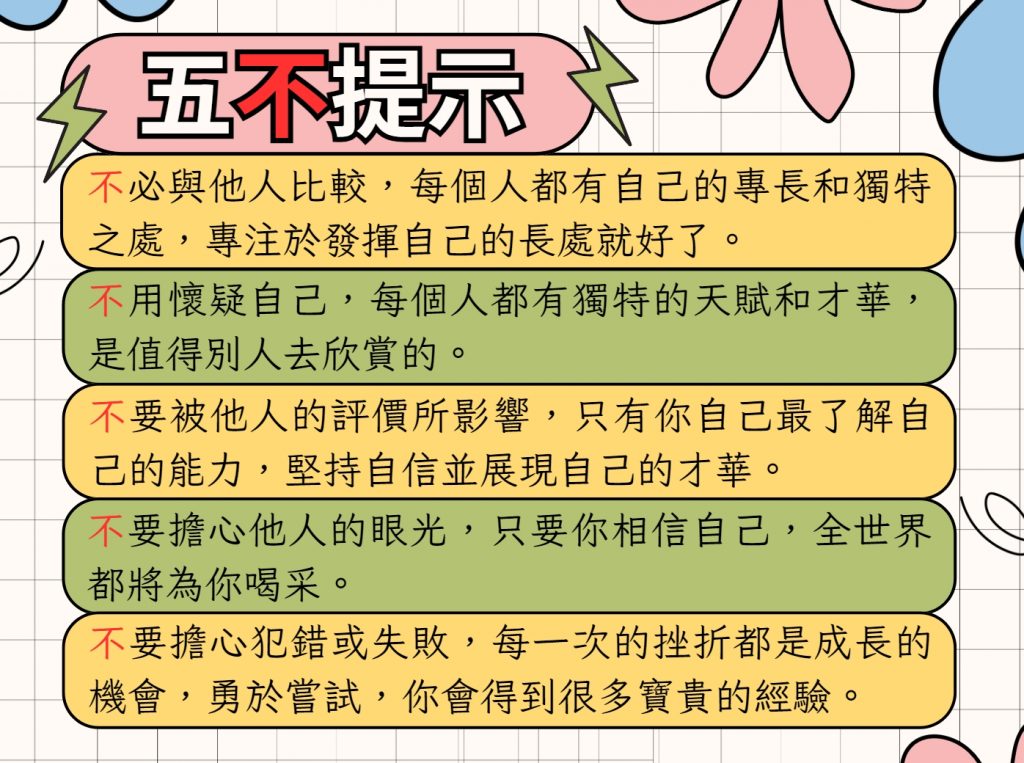
(This image is available in Chinese only.)

(This image is available in Chinese only.)
Importance of a Balanced Diet and Being Well-rested
Moreover, ensure your child receives adequate rest and a nutritionally balanced diet. Sufficient sleep helps them feel refreshed and maintain focus. Dietary arrangements are also crucial; prioritise nutrient-rich, balanced foods while avoiding irritants to keep the body in peak condition and promote well-being. Feeling good naturally enables them to better realise their potential and enhance their ability to handle interviews.

Learning to Face Adversity
Additionally, relieving stress through different activities is essential. Parents should strive to spend more quality time with their children, putting aside mobile phones to go out together. Whether jogging or playing ball in the park, or exploring the countryside for scenic photos, such outings help both parents and children release tension and learn to cope with adversity.
Finally, as the saying goes, ‘Every cloud has a silver lining.’ Even if a child is not admitted to their preferred school, parents need not be disheartened. Throughout the school selection process, parents not only deepen their understanding of target institutions but also gain greater insight into their children. Similarly, schools are selecting pupils who can integrate into their culture. Viewed differently, the interview for the S.1 Discretionary Places (DP) is a mutual discovery process – there is no success or failure, only suitability. Finding the right school means children can still lead fulfilling futures.