
‘May I have a few more sweets?’
‘I'd like another piece of New Year Cake (Nian Gao).’
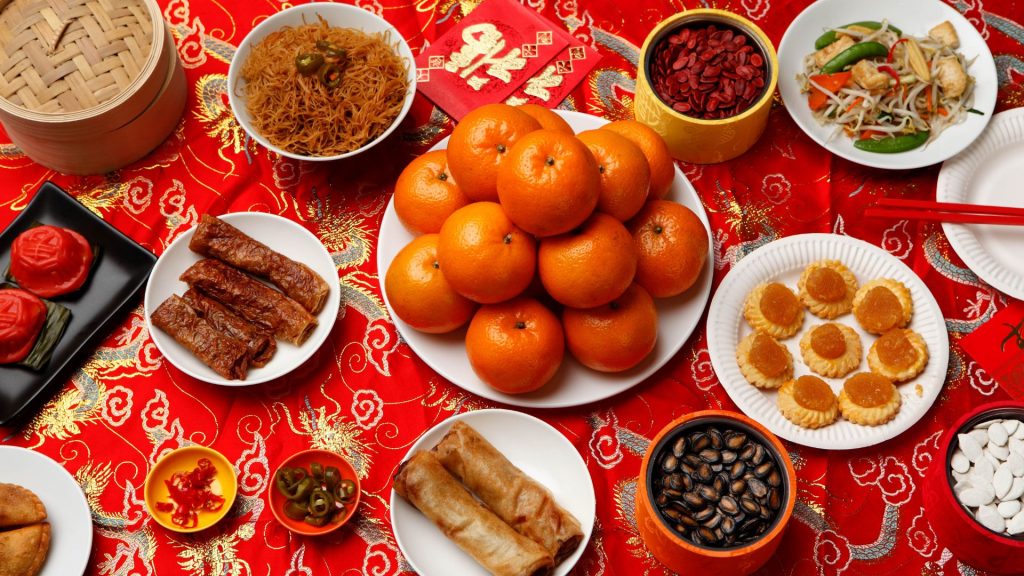
During Chinese New Year visits to relatives and friends, hosts always offer warm hospitality. Beyond tables laden with festive delicacies, colourful sweets and treats fill the entirety of their Chinese candy box (Chuen Hup)– how can children resist such temptation? It's only natural for parents to worry about their children consuming excessive sugar during the holiday season. So how should parents respond when their children keep asking for sweets?
Sharing Delicious Food with Your Children
Before discouraging children from eating too much, parents should first express empathy to avoid triggering resistance or guilt. For instance, when a child expresses a desire for sweets, parents might try describing their feelings:
‘This sweet looks absolutely exquisite! I'm sure it tastes wonderful!’
Of course, even the most delicious treats can have adverse effects on health when consumed in excess. Therefore, parents can also use open-ended questions to help children understand this ‘delicious trap’:
‘What do you think this sweet is mainly made from?’
‘Why do you like eating this sweet? What makes it appealing?’
Acceptance Begins with Care
Regardless of their children's responses are the questions above, parents can further guide them to understand that moderation is key with any food. The most effective approach to guiding children is to start with genuine concern. Parents might gently ask:
‘How is your appetite today?’
When children feel their parents' care, they are more receptive to their advice.
‘I know sweets are delicious, but I trust you understand that eating too many isn't good for your health. I believe you'll know how to exercise restraint.’

Building Mutual Trust with Children
For children, gaining their parents' trust is of paramount importance. Parents can lay the foundations for trust through daily life. On the one hand, they can employ various methods to help children expand their knowledge of nutrition and health. On the other hand, while imparting wisdom through words, parents must also lead by example. They should maintain good routines and dietary habits alongside their children, encouraging them to eat plenty of fruit and vegetables and consume sufficient fibre and nutrients. This helps prevent health issues arising from dietary imbalances during festive periods or holidays.
Ultimately, as parents, we can seize various opportunities to communicate more with our children. Using positive language, we can educate them on the importance of diet and health. More significantly, this fosters a strong relationship built on mutual trust. As we enter the Year of the Dragon, let us collectively care for our children's physical, mental and spiritual wellbeing, ensuring they enjoy a healthy and happy new year.