
(This image is only available in Chinese)
As examination season approaches, many students face mounting pressure. Whether due to stress or disrupted routines, some develop headaches, causing considerable concern for parents. Parents may feel perplexed: ‘All medicines carry some risk – should we really give our children painkillers? If we don't, will it affect their learning?’ To address this, EdCity has specially invited Dr. Fung Lai-wah from the Chinese University of Hong Kong Faculty of Medicine to offer professional advice and resolve these concerns.
Seek medical advice if headaches disrupt daily activities
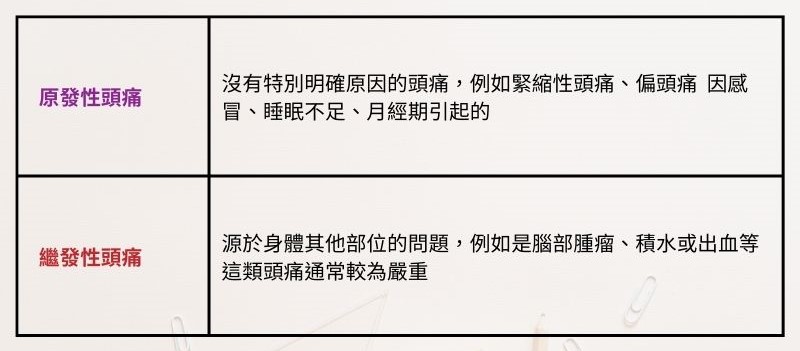
According to Dr Fung, approximately 60-70% of children and adolescents in developed countries experience headaches, indicating this condition is quite common in this age group and should not cause undue parental concern. She explains headaches fall into two categories: primary and secondary. Distinguishing between these for children is not straightforward. Parents should observe their child's specific symptoms, such as headache frequency, duration, accompanying symptoms, and the extent to which daily life is affected, to make a preliminary assessment. Dr Fung advises parents to closely monitor their child when headaches occur. If headaches become frequent enough to disrupt sleep patterns or daily activities, or if accompanied by vomiting or behavioural changes, it is advisable to seek medical attention to rule out serious underlying causes.
(This image is only available in Chinese)
Avoiding medication? Rest is often the best remedy
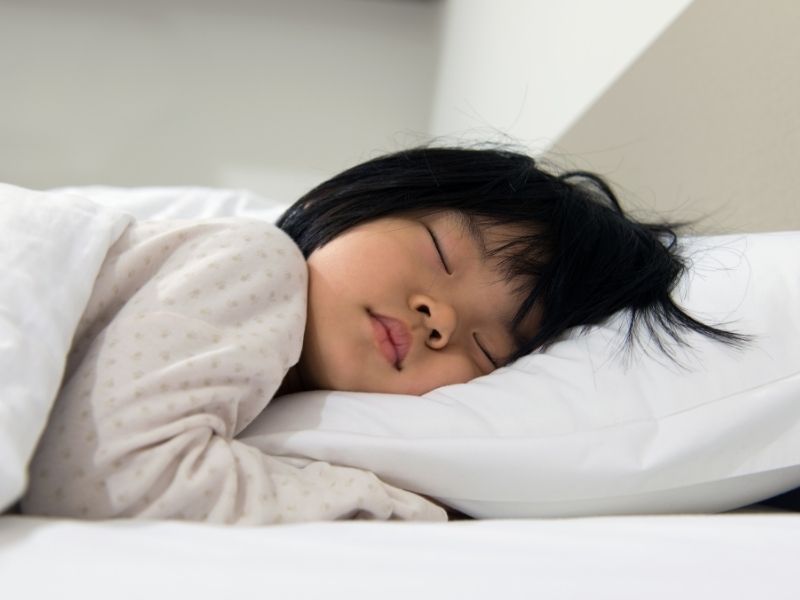
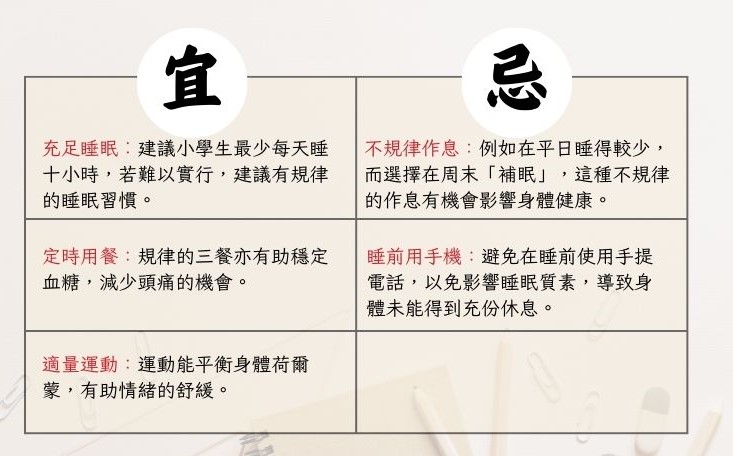
Dr Fung notes that as headaches are a common symptom in children and adolescents, parents need not be overly concerned, particularly when the headaches are mild and transient. So how can headaches be alleviated? Rest remains the most effective way for the body to recover: ‘If the headache is not severe, parents can allow their child to rest properly, establish a regular routine where possible, and avoid excessive fatigue. Once their energy levels have recovered, encourage more outdoor activities to absorb sunlight, which helps replenish vitamin D levels while also promoting relaxation and reducing stress.’
Regarding medication, Dr Fung advises that if headaches persist or are accompanied by mild cold symptoms, children may take common pain relievers like paracetamol in moderation. However, dosages must strictly follow age-specific medical advice, and self-medication should be avoided. Consultation with a doctor is essential if the child is already taking other medications or traditional Chinese medicine. Regarding pain relief, Dr Fung noted that menstrual pain and headaches are common among young women during their periods, where medication may be appropriately taken. Occasional episodes are generally not cause for concern, though it is advisable for young women to distinguish whether discomfort stems from menstrual irregularities or other causes. Should symptoms persist despite medication, prompt medical consultation is recommended.
Caffeine for headaches?

For primary headaches, note potential links to certain foods and beverages. Drinks like coffee and lemon tea contain caffeine, which may cause health issues such as tachycardia alongside headaches. Notably, bubble tea – popular among young people and students – also contains caffeine, so moderation is advised. Certain foods may exacerbate headaches, including cheese, chocolate, ham, bacon, and sausages. Reducing consumption of these items may be beneficial.
(This image is only available in Chinese)
Students Need Stress Relief, Parents More So
When children fall ill, parents often worry about the impact on their studies. Dr Fung believes that headaches sometimes arise from excessive tension in both parents and children. She understands that academic pressure is inevitable, though it may not always be overtly apparent, often stemming more from lifestyle habits. Therefore, she advises parents to lead by example and work alongside their children to reduce stress, as no academic achievement outweighs a child's health. To foster effective learning, it is essential to cultivate children's confidence, ensure they enjoy studying, and maintain positive family relationships. Conversely, when children impose excessive pressure upon themselves or feel overwhelmed, their bodies may react adversely, ultimately proving counterproductive. However, treating symptoms in isolation is not the optimal approach. Parents should consider whether their child's headaches stem from undue stress. Rather than relying on painkillers, it is preferable for parents and children to collaborate in addressing the root cause.