
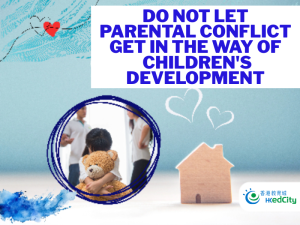
“Are they arguing because of me?”
The atmosphere within a family of origin often exerts a lasting influence on a child's development. If parents frequently quarrel, it can easily leave children feeling insecure and even prone to self-doubt. So, when conflict arises, how should parents communicate with their children to mitigate these risks?
Formula for Emotional Regulation
Witnessing parental disputes often triggers negative emotions in children, manifesting as feelings of insecurity and anxiety. If children grow up amidst prolonged parental conflict, it may distort their perception of interpersonal relationships and even foster misguided social attitudes. We all recognise the importance of avoiding conflict in front of children. Yet disagreements between spouses are inevitable. So how can parents help their children process their emotions after experiencing intense emotional turmoil?
The Four-Step Approach to Conflict Resolution
1. Avoid further arguments in front of your children whenever possible.
2. After a disagreement, first stabilise your own emotions.
3. Only communicate with your children once you have fully calmed down.
4. Attempt to help your children understand the cause of the argument and listen to their feelings.
As parents, there is no need to feel unduly guilty about momentary emotional outbursts, as emotional fluctuations are perfectly natural. The most crucial thing is to avoid imposing your emotions upon your children. Particularly after marital disputes, emotions may remain unsettled. Attempting detailed discussions with children immediately risks reigniting emotional reactions. A preferable approach is to offer brief reassurance to the child while allowing both parents time to cool down, emphasising that the child bears no responsibility. Once emotions have settled, engage in a more thorough discussion with the child. Regarding communication methods, consider the following case study:
Case #1: Are my parents' arguments all my fault?
Parents often clash over disciplinary matters, particularly when they have differing upbringings and experiences. Disagreements over values in child-rearing are inevitable. If children witness such conflicts, they may mistakenly believe they caused the dispute, doubting whether they've done something wrong and feeling guilty as a result.
Tips for Resolution:
Once parents have calmed down, endeavour to explain the reasons for the argument to the children. Help them understand that everyone holds different perspectives and values, and that the disagreement was not caused by the child's actions. This prevents them from blaming themselves due to misunderstanding. Simultaneously, discuss with the children how the parents resolved the conflict, enabling them to learn constructive ways of addressing disagreements.
Case #2: Why Must I Become the “Messenger” Between My Parents?
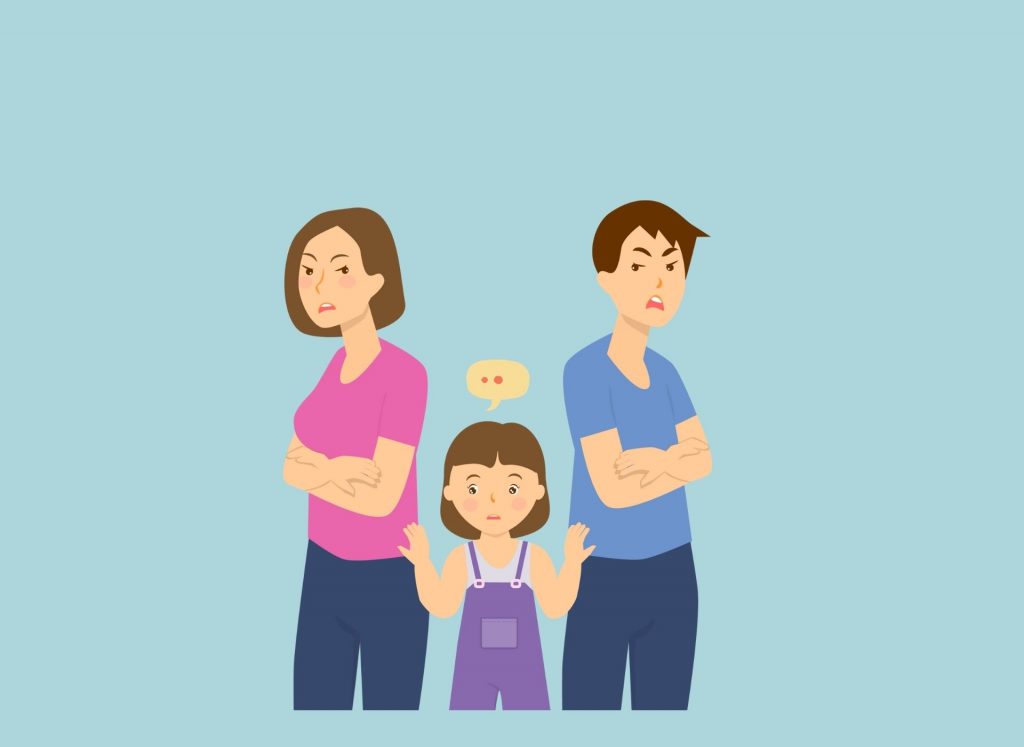
When parents become embroiled in conflict and descend into a cold war and ignore each other, does this not inevitably harm their children? Parents in such a standoff often seek a third party to defuse the situation, inadvertently turning their children into their “messengers” – particularly adolescents – to relay messages between them. Parents should be mindful that this practice unknowingly entangles adolescent children in parental conflicts, ultimately leaving them caught between a rock and a hard place.
Tips for Resolution:
Emotional neglect is a form of harm. Avoid involving children in parental conflicts whenever possible. Couples should resolve issues privately while clearly reassuring children that they are working to resolve the situation and need not worry. Emphasise that parental support and love remain unwavering despite temporary disagreements.
Case #3: Why Can't I Stop My Parents' Arguments?

When confronted with parental disputes, children naturally feel compelled to act as mediators between their parents, perceiving themselves as integral members of the family unit. When such mediation attempts prove unsuccessful, children may experience feelings of guilt and self-reproach. However, the causes of family disputes are manifold – financial issues, domestic trivialities, and more. Adults themselves struggle to determine right from wrong; how much more so for children who are still developing and maturing?
Tips for Resolution:
Parents should clarify family responsibilities with their children, making it clear that neither children nor teenagers bear full responsibility for all family problems. Parents can use concrete examples to specify a child's responsibilities, such as tidying their own room or walking the family pet. Finally, emphasise that Mum and Dad will also fulfil their own duties and responsibilities to resolve the dispute. Simultaneously, parents can encourage children to focus their energy on other equally important aspects of life, such as academic development, pursuing interests, or expanding their social circle, rather than shouldering the burden of family problems.
Case #4: Their Constant Bickering Is Utterly Tiresome!

No one relishes conflict and negative emotions. When parents are perpetually at loggerheads, their children inevitably absorb this toxic atmosphere. To shield themselves from the emotional fallout of family discord, many adolescents activate self-preservation mechanisms. They may appear indifferent or apathetic towards parental quarrels, developing a sense of detachment towards family relationships.
Tips for Resolution:
Silence does not mean teenagers are immune to their parents' arguments; it is often a form of self-protection, signalling that home is not a safe place for them. Rebuilding a child's sense of security and trust takes time. Parents can arrange for trusted adults, such as relatives, teachers, or social workers, to accompany their child through difficult times. This does not imply parents are delegating their duty of care; rather, it allows children to receive broader support. In the long-term, encourage them to express emotions through writing, journaling, or artistic creation. Parents can gain insight into their child's thoughts and feelings, recognising that understanding and communication are vital steps towards resolving emotional barriers.

Children often model their development on their parents, and adolescents are particularly in a formative stage of personality development. A harmonious family environment helps them understand that their family and parents are trustworthy, serving as a source of security. Furthermore, when parents consistently interact in a positive manner, children learn from them how to manage emotions constructively. This fosters the development of sound social skills, enabling them to navigate interpersonal challenges and conflicts encountered during their growth with greater ease, thereby promoting healthier development. Parents, there is no room for delay. Let us collectively foster a positive family atmosphere, providing our children with a nurturing environment for their growth.